Food scraps in.
Sort out contamination, weigh the material, and prepare suitable feed.

WASTE2NOURISH / A MOBILE CAMPUS LEARNING LAB
Waste2Nourish (W2N), also known as Waste to Nourish, is developing a mobile campus learning lab using black soldier fly larvae. The work connects food-waste management, bioconversion research, and hands-on student learning.
Sort out contamination, weigh the material, and prepare suitable feed.
Larvae feed in trays while the team observes growth and operating conditions.
Separate larvae and residue, weigh outputs, and evaluate potential uses.
FIRST CAMPUS PILOT / MICHIGAN STATE UNIVERSITY
Start with what can be seen. These stills come from Issa’s trailer walkthrough, uploaded on . They document the installation, not recovery rates or validated output uses.
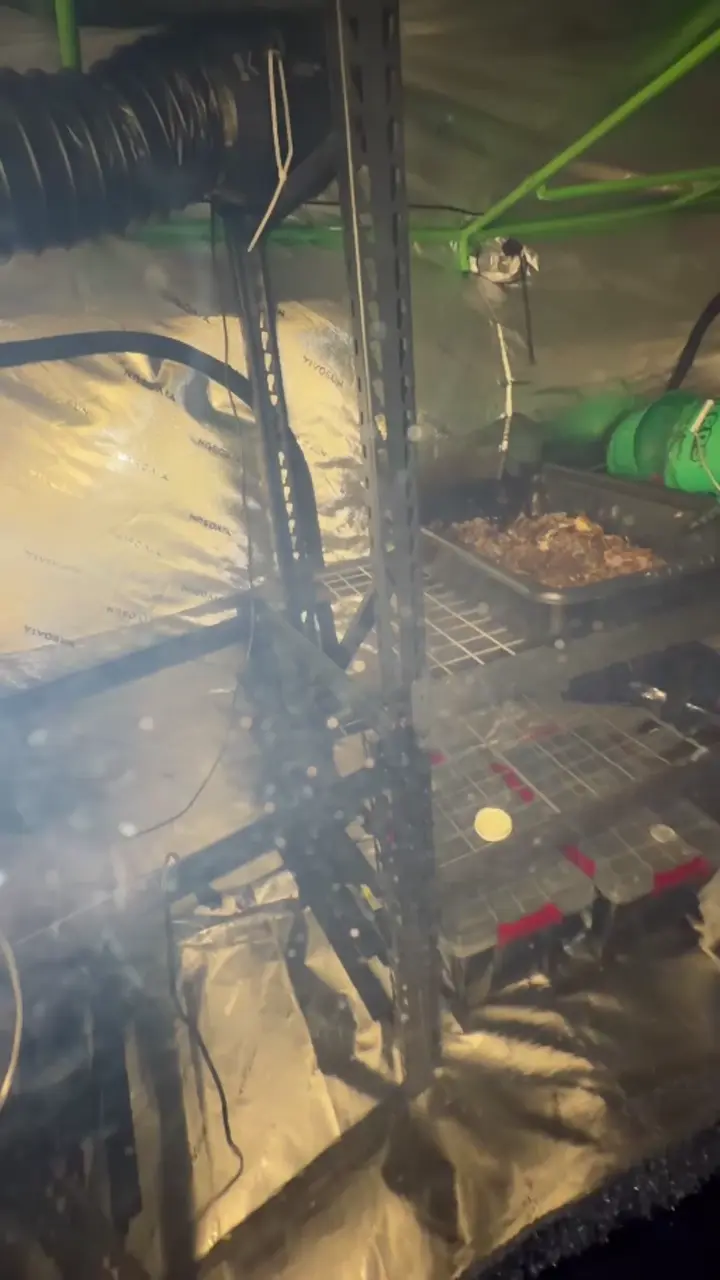
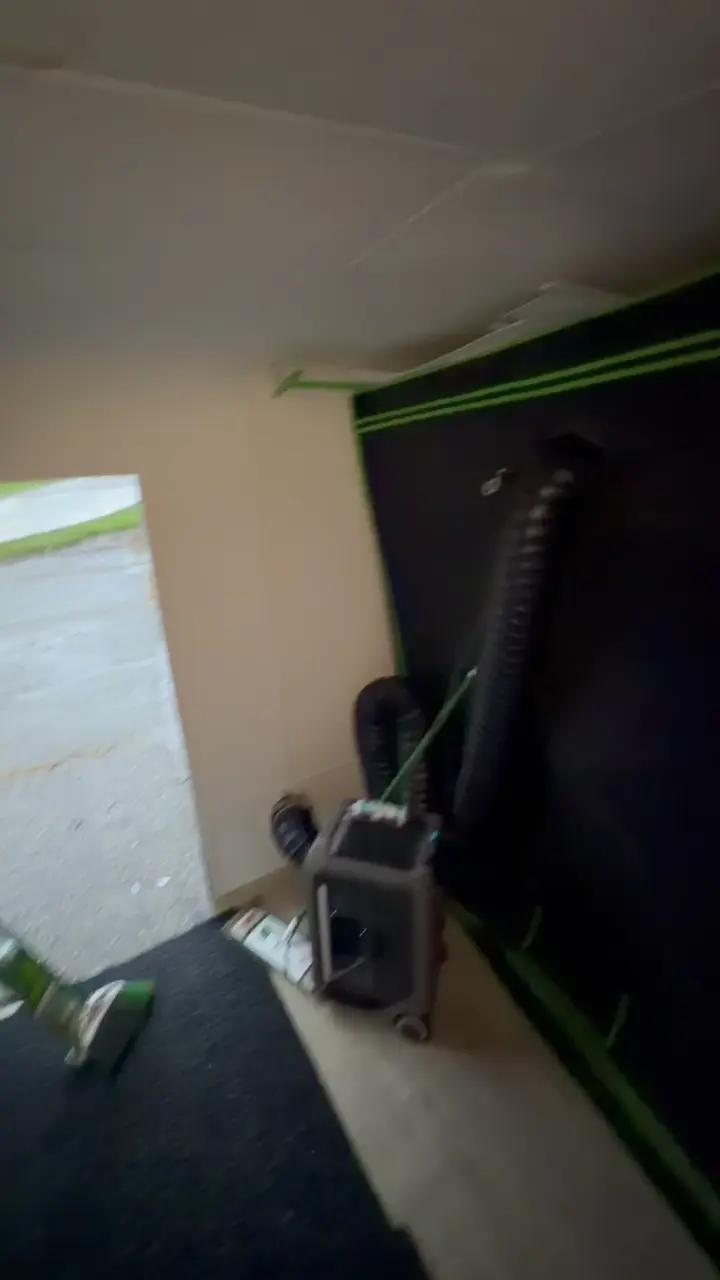
WHAT THE RECORD SUPPORTS
The walkthrough shows equipment and workspace. It does not establish throughput, energy performance, safety, or commercial readiness.
Input weights, larvae and residue weights, conditions, labor, and student participation are the evidence the pilot is designed to gather. Verified totals and laboratory results are not published here.
See the pilot scope and evidencePilot context is based on W2N’s records. An MSU site does not imply university endorsement. Concept images and proposed capabilities are labeled separately throughout the tour.
W2N / CAMPUS EVIDENCE
Still-image mode. All content and controls remain available.
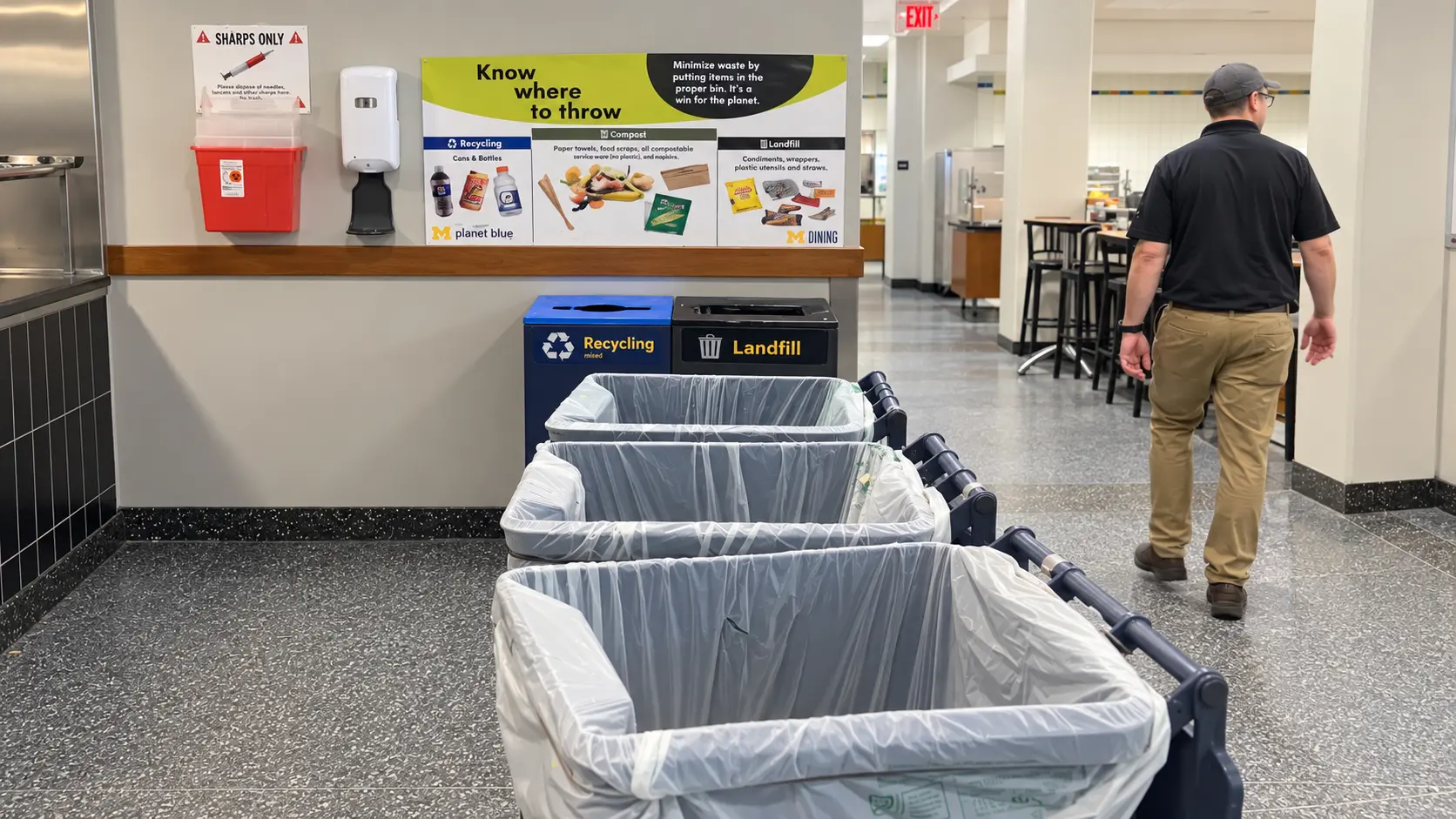
01 / DINING COLLECTION
Suitable food scraps are kept separate from contamination before they enter the W2N process.
DINING HALL → W2N MOBILE LAB
02 / COLLECTION ROUTE
The separated material follows one short, traceable campus route. The moving trailer shows the connection between where food waste is created and where it is processed.
SOURCE · WEIGHT · DELIVERY
03 / EXTERIOR ANATOMY
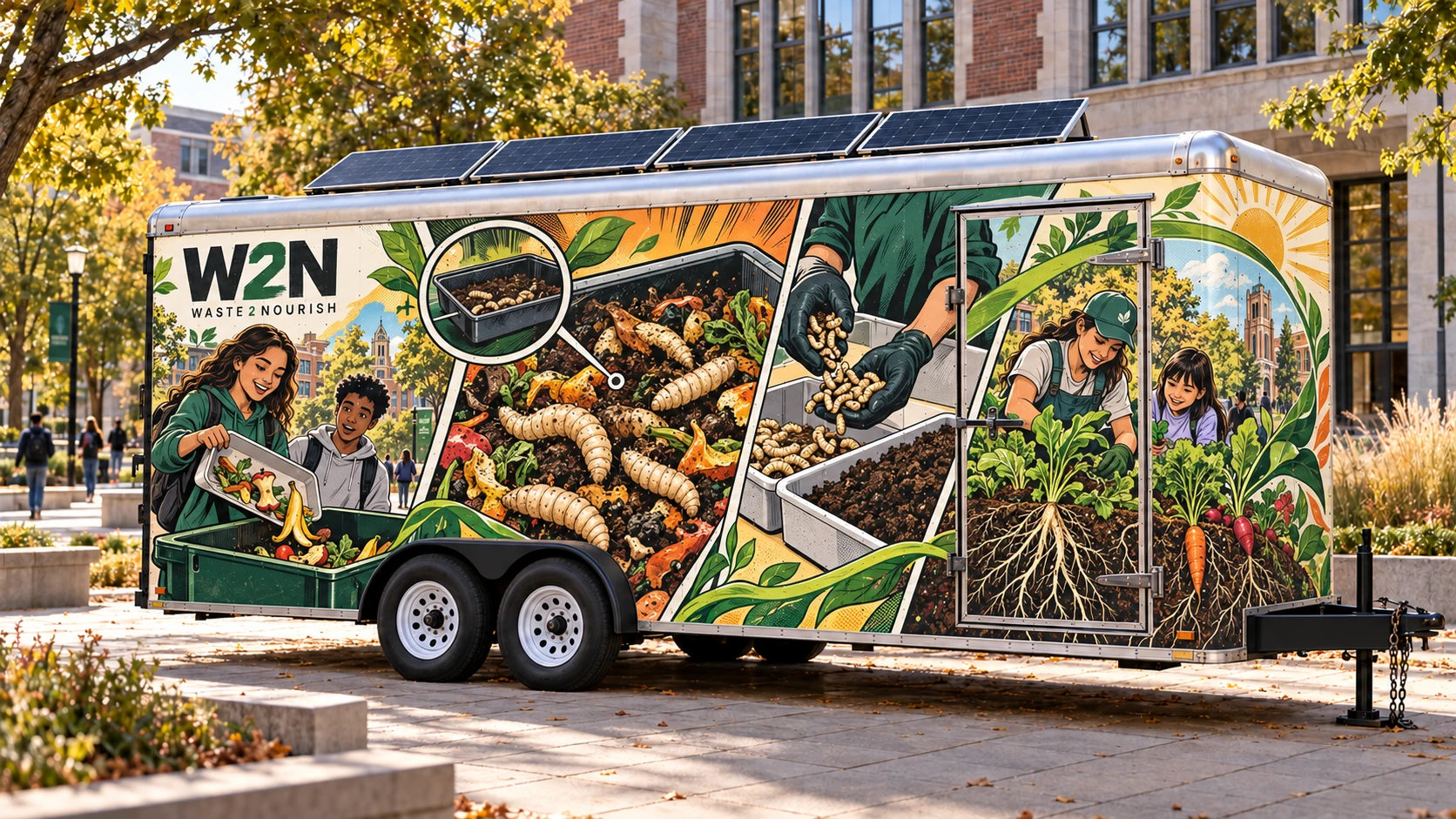
The enclosed trailer creates a defined place for operation, observation, and learning. Proposed artwork can make the process legible without becoming the product itself.
A long enclosed trailer with a plain white riveted body, rounded roof edge, two axles, rear loading doors, and a side access door.
A PROPOSED LEARNING DISPLAY
Dimensional visuals reveal the journey from food scraps through larvae to useful resources.
PROPOSED DISPLAY · CONTENT IS A DEMONSTRATION
04 / RESEARCH + CUTAWAY
The pilot is designed for students and researchers to weigh inputs and outputs, observe conditions, compare cohorts, and document what happens. Switch to the cutaway to understand the compact operating space.
Each cohort can produce an operating record: incoming weight, conditions, feeding, survival, output weight, odor observations, labor, and participation.
ILLUSTRATIVE RESEARCH SCENE · NOT A PILOT PHOTOGRAPH
05 / BIOLOGY AT WORK
Black soldier fly larvae consume suitable prepared food waste and build larval biomass while leaving a residual material stream. The pilot measures the pathway before making claims about feed or soil use.
Separate contamination, record what arrives, and prepare a suitable feed. A consistent starting material makes each cohort easier to understand.
ILLUSTRATIVE PROCESS SCENE · NOT MEASURED RESULTS
06 / EVIDENCE FOR STARS
W2N does not automatically create STARS points. It can help a university document activity relevant to four potential evidence pathways when the institution defines scope, validates data, and reports it correctly.
Document annual assessment and tracking of food and organic materials to inform ongoing improvement.
Record defined material inputs and recovery outcomes so the pilot can support, rather than replace, institution-wide waste data.
Connect faculty-led questions, student participation, methods, observations, and outputs to the operating pilot.
Use the trailer display, tours, coursework, and student communication to make the material journey visible and understandable.
The display communicates the lesson. The operating record supports the reporting. See AASHE’s STARS 3.0 guidance for Food Recovery and Waste Generation & Recovery. Eligibility and reporting remain the institution’s responsibility.
THE NEXT CONVERSATION
Start with the food stream, operating site, research question, and evidence your institution actually needs.
Discuss a campus pilotEmail Issa Yattassaye at yattassa@msu.edu. Opens your email app; nothing is sent automatically.